
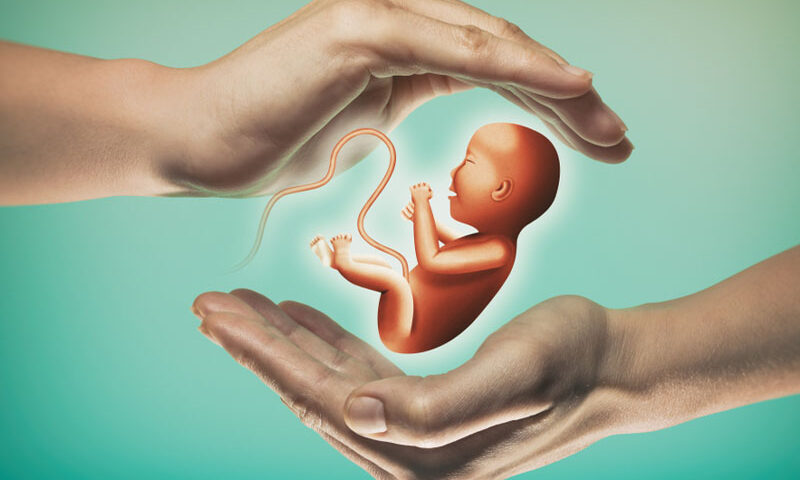
Infertility is an increasingly common issue where a couple fails to conceive even after one year of regular, unprotected intercourse. While often misunderstood as a female-only condition, infertility affects both men and women equally. Globally, millions of couples face fertility challenges, and in India alone, more than 27 million couples are estimated to be suffering from infertility-related problems — a number that continues to rise with changing lifestyles, stress, and health patterns.
Infertility doesn’t just affect the physical body; it causes tremendous emotional and psychological distress for couples, often creating anxiety, societal pressure, and relationship challenges. It is important to recognize the early signs and seek timely diagnosis and care.
Infertility may present with no obvious symptoms, especially in men. However, the common signs can include:
In Women:
Irregular or absent menstrual cycles
Painful periods or pelvic pain
Hormonal imbalances (acne, excessive hair growth, weight gain)
History of miscarriages or ectopic pregnancies
In Men:
Reduced sexual desire or erectile dysfunction
Pain, swelling, or lump in testicle area
Low sperm count or poor semen quality
Difficulty with ejaculation or small volume of fluid
Recognizing these symptoms early on and undergoing proper evaluation can drastically improve the chances of conception with appropriate treatment.
Primary Infertility – When a couple has never conceived despite regular attempts for a year or more.
Secondary Infertility – Difficulty in conceiving after previously having had a successful pregnancy.
Contributing disorders include:
Polycystic Ovary Syndrome (PCOS)
Endometriosis
Low Sperm Count / Poor Motility
Thyroid Imbalances
Tubal Blockages
Uterine Abnormalities
Erectile Dysfunction
Infertility is often multifactorial. The most common causes include:
Hormonal imbalances
Lifestyle factors (stress, obesity, smoking, alcohol)
Environmental toxins
Sexually transmitted infections (STIs)
Age-related decline in fertility
Unhealthy eating habits
Sedentary lifestyle
Genetic or congenital abnormalities
Allopathic treatment for infertility is largely based on symptom management and assisted reproductive techniques such as:
Hormone therapy
Ovulation induction medications
Intrauterine Insemination (IUI)
In-vitro Fertilization (IVF)
Surgical corrections of structural problems
These treatments, while effective in many cases, are often expensive, emotionally taxing, and may come with side effects or require multiple cycles to achieve success.
Ayurveda, the ancient Indian science of life and holistic healing, takes a completely different route. Rather than merely treating the symptoms, Ayurveda works on strengthening the body’s natural fertility by restoring balance in the doshas (Vata, Pitta, Kapha) and rejuvenating the reproductive system.
Key Ayurvedic Principles for Infertility Treatment:
Root Cause Analysis: Treatment begins with understanding the underlying imbalance – be it hormonal, emotional, structural, or lifestyle-based.
Detoxification (Shodhana): Panchakarma therapies such as Basti (medicated enema), Virechana (purging), and Uttara Basti (uterine cleansing) are prescribed to eliminate toxins and rejuvenate the reproductive system.
Herbal Medication: Formulations like Ashwagandha, Shatavari, Gokshura, Kapikacchu, and Guduchi are used to nourish the reproductive tissues and boost fertility.
Diet & Lifestyle Changes: A sattvic (pure) diet, regular yoga, pranayama, and stress management techniques are advised for holistic wellness.
Strengthening the Mind-Body Axis: Ayurveda believes that mental and emotional imbalances can obstruct conception. Treatments focus on enhancing vitality and emotional resilience.
Unlike allopathic medicine that often treats only the manifestation, Ayurveda seeks to restore balance to the reproductive, endocrine, and psychological systems. Here, no synthetic drugs numb the system. Instead, natural herbs, therapies, and nutrition revive the body’s own healing intelligence.
As Maharishi Charaka rightly said:
“The body is a combination of body, senses, mind, and soul. Ayurveda is the sacred science that helps all to achieve health and fulfillment in both this world and the next.”
Ayurveda gives new hope to couples, offering not just treatment — but transformation.
Experience holistic wellness at our Ayurvedic clinic, where ancient wisdom meets modern care. Personalized treatments for a healthier you!
At Pranaa, we are presenting you a holistic way of wellness, including all the subtle and potent aspects of the ancient learning passed on to us through a pure lineage of yogis and rishis. We are encapsulating the treatment plans customized to your individual needs, keeping in mind the requirement of the newer generation without compromising on the age-old treatment protocols.
We understand your unique health needs, offering customized treatment plans to ensure optimal outcomes.
Our team of skilled doctors and specialists are dedicated to providing the best care with advanced techniques.
We integrate traditional wisdom and modern medical practices to promote overall wellness and long-term health.
"Health is wealth, and Ayurveda is the key to wellness."
Infertility is the inability of a couple to conceive after one year of regular, unprotected sexual intercourse. For women above 35 years of age, fertility evaluation is often recommended after six months of trying to conceive.
No. Infertility can affect both men and women. Studies indicate that male factors contribute to nearly half of infertility cases, making evaluation of both partners equally important.
Common signs may include:
Some common symptoms include:
Primary Infertility: A couple has never achieved pregnancy despite trying for at least one year.
Secondary Infertility: Difficulty conceiving after having previously achieved a successful pregnancy.
Infertility can result from several factors, including:
According to Ayurveda, infertility is often associated with imbalances in the Doshas (Vata, Pitta, and Kapha), weakened reproductive tissues (Shukra and Artava Dhatu), impaired digestion (Agni), toxin accumulation (Ama), and mental or emotional stress. Treatment aims to restore overall balance and reproductive health.
An Ayurvedic physician performs a detailed assessment that may include:
Existing laboratory reports and fertility investigations are also reviewed when available.
Many women seek Ayurvedic care for PCOS-related fertility challenges. Ayurvedic management focuses on supporting hormonal balance, menstrual regularity, metabolic health, and overall reproductive wellness through personalized treatment plans.
Ayurvedic treatment may focus on improving overall reproductive health, strengthening Shukra Dhatu (reproductive tissue), promoting healthy lifestyle habits, and supporting sperm production and quality through individualized therapies and herbal formulations.
Panchakarma therapies may be recommended in selected cases to help remove accumulated toxins, support hormonal balance, and rejuvenate the reproductive system. The choice of therapy depends on the individual's condition and physician's assessment.
Uttara Basti is a specialized Ayurvedic procedure traditionally used in certain gynecological and reproductive health conditions. It is recommended only after careful evaluation by a qualified Ayurvedic physician and when clinically appropriate.
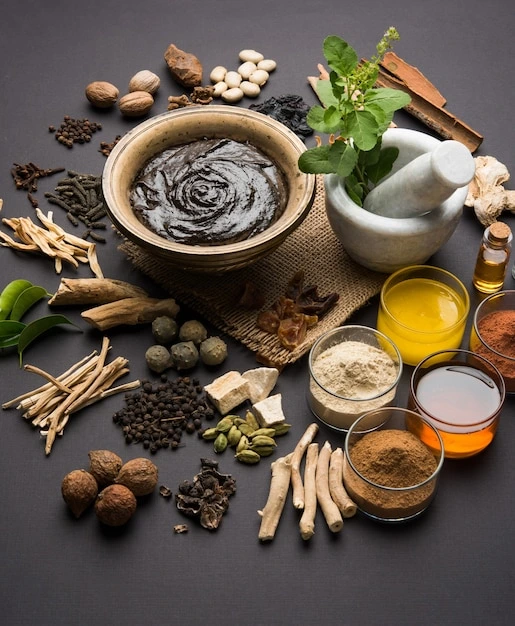
Ayurveda utilizes various classical herbal formulations to support reproductive health. The selection of herbs depends entirely on the individual's constitution, diagnosis, and treatment goals.
Yes. Chronic stress can influence hormonal balance, ovulation, sperm production, libido, and overall reproductive function. Ayurveda places significant importance on managing stress through diet, lifestyle modifications, yoga, meditation, and mind-body therapies.
Diet plays a vital role in reproductive health. Ayurveda recommends wholesome, nourishing, freshly prepared foods that support digestion, hormonal balance, and tissue nourishment while minimizing processed and unhealthy foods.
Yoga and pranayama may help improve physical health, reduce stress, enhance circulation, and support emotional well-being, all of which are important components of fertility care.
Ayurveda adopts a holistic approach that includes herbal support, Panchakarma therapies when indicated, dietary guidance, lifestyle modifications, and stress management. The goal is to support the body's natural reproductive functions and overall well-being.
Many patients choose Ayurvedic care alongside assisted reproductive techniques such as IUI or IVF. However, treatment should always be coordinated with both the fertility specialist and Ayurvedic physician.
The duration of treatment varies depending on factors such as age, underlying causes, duration of infertility, overall health, and individual response to treatment. A personalized plan is developed after consultation.
You should seek professional evaluation if:
Ayurveda focuses on identifying and addressing the root causes of imbalance, supporting overall reproductive health, improving lifestyle factors, and promoting long-term wellness. Treatment is highly individualized and considers physical, mental, and emotional health together.
PIAHC is the fructification of the hard work of Dr. Vani and her vision to not let this knowledge go in vain, as it has the power to transform the lives of all.